September 23, 2026
How Residential Drain Cleaning Tacoma Keeps Bathroom Drains Working Properly
By @ziongsdk095

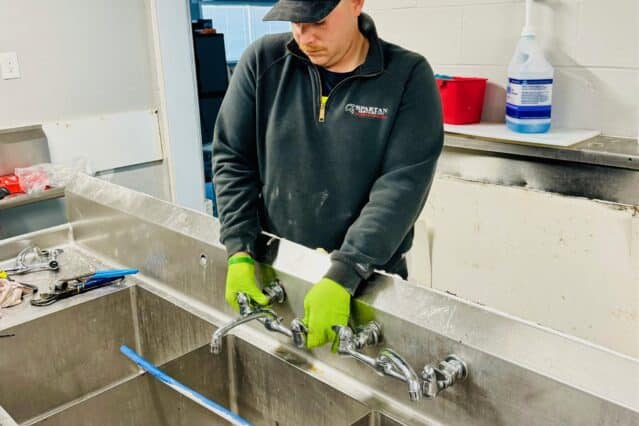

Bathroom drains rarely fail all at once. Most of the time, they slide into trouble slowly, with small warnings that homeowners ignore because the sink still drains, the shower eventually clears, and the toilet has not backed up yet. Then one morning the tub fills around your ankles, the vanity sink starts gurgling, and a routine shower turns into a cleanup job.
That pattern is exactly why Residential Drain Cleaning Tacoma matters. Bathroom drains deal with a steady mix of soap residue, hair, shaving cream, toothpaste, skin oils, paper products, and hard water minerals. None of those materials seems severe on its own. Together, over weeks and months, they create the kind of buildup that narrows pipes, slows flow, traps odor, and puts extra strain on the entire drainage system.
In Tacoma homes, the issue can be even more noticeable because many properties range widely in age, plumbing layouts, and pipe materials. A newer home may have smoother interior pipe walls and better venting, while an older home might still be dealing with decades of soap scale, partial corrosion, or previous patchwork repairs. The bathroom is often where those differences show up first.
Bathroom drains do not clog from one thing alone
People often picture a drain clog as a simple wad of hair sitting near the opening. Sometimes that is true, especially in a shower or tub. But the more persistent bathroom drainage problems usually come from layers, not single obstructions.
Hair catches first. Then soap residue sticks to the hair. Then minerals from the water bond to that sticky surface. Add lotion, shaving gel, facial cleansers, and bits of toothpaste, and the inside of the pipe starts looking less like a smooth channel and more like a rough tunnel. Water still gets through, but not as freely as it should.
That roughness is important. Once the inner surface loses its smooth flow path, it becomes easier for the next round of debris to catch. A bathroom sink that once drained perfectly fine can become noticeably slower in a surprisingly short period if buildup reaches the trap and branch line. Showers are even more vulnerable because long hair and soap bars create the classic combination plumbers see every day.
Toilets work differently, but they are part of the same story. A toilet drain line can develop restrictions farther down the branch or main line, which may first show up as sluggish flushing, bubbling in nearby fixtures, or water movement in the tub when the toilet is used. At that point, the issue is no longer just a toilet issue. It is a drainage system issue.
Why Tacoma homes often benefit from regular drain maintenance
Local climate and housing stock matter more than many homeowners realize. Tacoma has a mix of older neighborhoods, remodeled homes, compact bathrooms, and houses where plumbing has been modified over the years. Every remodel introduces the possibility of awkward slopes, long horizontal runs, or connections that technically work but do not perform especially well under daily use.
In older homes, cast iron or galvanized sections may have interior scaling that modern plastic piping does not. Even if only part of the system is older, that rough interior can slow drainage and collect waste. In newer homes, the pipes may be in better shape, but heavy bathroom use, busy family schedules, and store-bought drain chemicals can still create problems.
I have seen plenty of homes where the homeowner insisted the clog came out of nowhere, only for the drain cleaning process to reveal years of packed residue. One common example is a primary bathroom shower used by two adults and two kids. Nobody notices the drain slowing because it happens gradually. Then holiday guests arrive, the bathrooms get extra use, and the marginal drain finally crosses into failure.
That is where professional residential drain cleaning earns its value. It is not just about opening a blocked line. It is about restoring the drain’s working diameter, spotting early warning signs, and reducing the chance that a small bathroom nuisance becomes water damage or a sanitation problem.
The early symptoms most people brush off
Bathroom drains usually send a few warnings before they stop working properly. The mistake is treating those warnings as harmless quirks.
A sink that drains slowly after brushing your teeth may seem minor. A shower that needs occasional plunging may feel manageable. A musty smell from the vanity drain may get blamed on the room instead of the pipe. Those are all signs that waste is catching and Residential Drain Cleaning Tacoma decomposing inside the line.
The most common clues include the following:
- water pooling around feet in a shower or tub
- repeated gurgling sounds after sink or toilet use
- foul or sour odors coming from a drain opening
- bubbles or movement in nearby fixtures when one drain is used
- a clog that returns soon after a temporary fix
Each of those signs points to either buildup, venting trouble, or a developing blockage deeper in the line. A homeowner might clear the visible hair at the top and think the problem is solved, while the actual restriction sits farther into the trap arm or branch drain. When symptoms return quickly, it usually means the root cause remains in place.
Why store-bought drain cleaners often make things worse
Chemical drain openers remain popular because they promise speed. Pour, wait, flush, done. The problem is that bathroom drain clogs do not always respond well to chemicals, especially when the blockage is dense, layered, or partly downstream.
Hair is a good example. Some products soften it, but rarely remove all of it. What often happens instead is partial clearing. Water starts moving again, but residue stays behind, and the line clogs once more. Meanwhile, the chemical can sit in the trap or pipe and create heat or fumes. That is unpleasant for the homeowner and risky for anyone who later has to disassemble the drain.
Older metal piping is particularly vulnerable. Repeated chemical exposure does not magically destroy healthy pipe overnight, but it can accelerate wear in already compromised sections. It also masks the true problem. If a bathroom sink keeps backing up after two or three rounds of chemical treatment, the issue is no longer a simple surface clog. It needs proper mechanical cleaning or inspection.
There is also the practical issue of splashback. Anyone who has ever opened a trap under a sink after a homeowner poured in chemicals knows how dangerous that can be. A clog is annoying. A face full of caustic liquid is far worse.
What professional drain cleaning actually does
A lot of homeowners hear “drain cleaning” and imagine one universal process. In reality, a qualified plumber chooses the method based on the fixture, the likely type of obstruction, the age of the plumbing, and whether the goal is relief or full restoration.
For a bathroom sink, the first step may be very targeted. The drain assembly itself might be removed, especially if the stopper rod is tangled with hair and sludge. In many cases, that area holds more material than homeowners expect. Once that is cleared, the trap and short run into the wall can be assessed.
For tubs and showers, a cable machine is often used to break through and pull out hair-packed obstructions farther down the line. Done correctly, cabling clears the blockage without damaging the pipe. The real skill lies in using the right head, the right amount of force, and enough passes to clean rather than merely poke a hole through the mass.
When buildup is heavy, especially in branch lines or drains with thick soap scale, hydro jetting may be considered, if the piping condition supports it. Water under pressure can strip residue from pipe walls much more thoroughly than a simple cable pass. It is not appropriate for every system, especially fragile or compromised lines, but when used in the right setting, it can restore far better flow.
Camera inspection is another valuable part of the process, particularly when bathroom drain trouble keeps returning. A camera can show whether the problem is recurring hair buildup near the fixture, a sag in the line, root intrusion farther downstream, or deterioration inside older piping. Without that information, people tend to spend money repeatedly on symptoms instead of solving causes.
The difference between a reopened drain and a properly cleaned one
This distinction matters. A reopened drain works today. A properly cleaned drain keeps working.
Think about a kitchen pan with grease on the sides. Poke one hole through the center and water can pass, but the grease is still there. Bathroom drains behave the same way. If a tool creates a narrow path through the blockage, the fixture may seem fixed for a week or two. Then the remaining residue catches new debris and the slow drainage returns.
A proper cleaning removes enough of the obstruction and wall buildup that normal water flow can carry waste away again. The pipe does not need to be made brand new every time, but it does need a restored flow path. That is why experienced plumbers test beyond the initial breakthrough. They run water, listen for air movement, check fixture response, and make sure the problem is not simply shifted a few feet down the line.
Homeowners often notice the difference right away. Water leaves faster, the gurgling stops, and the drain sounds smoother. That last detail may seem minor, but it is usually telling. Healthy drainage has a clean, steady pull. Restricted drainage often has a hollow, bubbling, or uneven sound because air and water are fighting through a narrowed passage.
Bathroom drains affect more than convenience
A slow bathroom drain sounds like a minor issue until it starts affecting daily life. Then the ripple effects show up quickly.
Moisture lingers longer in tubs and showers, which means more soap scum, more mildew potential, and more cleaning work. Stagnant water in a sink can leave residue rings and odors. Overflow risk rises if a child leaves the faucet running into a slow-draining basin. If one bathroom fixture backs up into another, the problem moves from nuisance to sanitation concern.
There is also the strain on habits inside the home. Families start adjusting around a bad drain without realizing it. People shorten showers, avoid one sink, flush twice, or tell guests not to use a certain bathroom. That kind of workaround is common, but it signals a drainage system that is no longer performing as it should.
From a property standpoint, persistent drain issues can also point to a larger maintenance gap. If bathroom branch lines are heavily coated, there is a fair chance other sections of the drainage system need attention too. Addressing that early is usually less disruptive and less expensive than waiting for a backup.
Why recurring clogs deserve a closer look
Not every repeat clog is caused by poor cleaning. Sometimes the line itself has a condition that encourages buildup.
Older pipes may have scaling or corrosion that traps waste. A section of drain may have inadequate slope, so water moves but solids settle. A venting issue can slow drainage and increase gurgling even when the line is partially open. Tree root intrusion, while more commonly associated with sewer lines, can also create system-wide symptoms that first appear in the bathroom.
Then there are usage patterns. In some homes, one bathroom sees almost constant use while another barely gets touched. The high-use bathroom naturally accumulates more residue, especially in households with long hair, hard water, or children who use excess toilet paper and bath products. That does not mean the occupants are doing anything wrong. It means the maintenance interval should match the reality of the home.
A good plumber does not just remove the blockage and leave. They ask how often it happens, which fixtures are affected, whether the problem is weather-related, and whether nearby drains react at the same time. Those details help distinguish a local clog from a broader line issue.
Practical habits that help drains stay clear longer
Professional cleaning solves the immediate problem, but daily habits play a major role in keeping bathroom drains working properly afterward. None of this requires obsessive maintenance. It just takes consistency.
The simplest drain-friendly habits are these:
- use a hair catcher in showers and tubs
- avoid flushing wipes, cotton pads, swabs, or paper towels
- run hot water briefly after heavy sink use, when appropriate for the plumbing
- clean visible stoppers and strainers before buildup hardens
- schedule service when drains first slow, not after complete blockage
Those habits are not glamorous, but they work. Hair catchers alone prevent a remarkable amount of trouble in shared bathrooms. The same goes for being realistic about what “flushable” products actually do in residential plumbing. A package can say one thing, but the drain line still has to carry the material through bends, fittings, and longer runs. That is where problems start.
One small but useful habit is paying attention to speed. If a bathroom sink used to empty in a few seconds and now takes twice as long, that is enough to justify a closer look. Waiting for standing water usually means the buildup is already well established.
When Tacoma homeowners should call for professional service
There is a difference between basic homeowner maintenance and a drain problem that calls for professional tools. Pulling hair from a stopper or clearing debris from a visible strainer is reasonable. Repeated plunging, recurring odors, backups in multiple fixtures, or any sign of wastewater returning where it should not belong is the point to stop improvising.
That is especially true if the home has older plumbing, a history of previous drain trouble, or only one full bathroom. In those cases, a failed drain is not just inconvenient. It can disrupt the entire household.
Timing matters. Calling while the drain is merely slow gives a technician more options and usually makes the visit simpler. Waiting until the line is fully blocked, or until a shower overflows into the bathroom floor, tends to increase labor, mess, and cost. It can also turn what should have been a cleaning job into a repair visit if pressure, corrosion, or bad DIY attempts damaged the piping along the way.
Many homeowners are surprised to learn that annual or periodic drain maintenance can make sense even when everything appears to be working. That is not a sales Residential Drain Cleaning Tacoma gimmick in the right context. In high-use homes, properties with older lines, or bathrooms with a history of hair-related clogs, preventive cleaning often costs less than emergency service and avoids the stress of unexpected failure.
The real value of residential drain cleaning
The value of Residential Drain Cleaning Tacoma is not limited to unclogging one sink or one shower. It is about preserving the function of a system people rely on every day without thinking about it. Good drainage is invisible when it works and impossible to ignore when it does not.
A properly cleaned bathroom drain protects routine comfort. It supports hygiene, reduces odor, lowers overflow risk, and helps the entire plumbing system move waste the way it was designed to. It also gives homeowners better information. If the issue is simple buildup, they can maintain it. If the cleaning reveals a deeper problem, they can address it before it grows.
That is often the difference between a manageable service call and a major plumbing headache. Bathroom drains do not need much attention when they are healthy, but they do need the right attention at the right time. In Tacoma homes, where plumbing conditions vary widely, that professional judgment makes a real difference.
When drains are cleaned thoroughly and maintained with some common sense, bathrooms work the way they should. Water moves quickly, fixtures stay cleaner, and the room feels normal again. That kind of reliability is easy to take for granted, right up until it disappears.
Spartan Plumbing Services
Address: 760 107th St S, Tacoma, WA 98444
Phone number: +12534998773
FAQ About Residential Drain Cleaning Tacoma
How much does it cost to have someone clean your drains?
Professional drain cleaning costs between $147 and $352 on average, with most homeowners paying around $246. The final price is heavily determined by the type of drain affected, the clearing method needed, and your geographic location.
How much does it cost to clean a drain line?
Professional drain cleaning costs between $147 and $352 on average, with most standard residential jobs landing right around $246. However, your final bill can scale from $100 to over $800 depending entirely on which drain is clogged and the method required to clear it.
Is professional drain cleaning worth it?
Yes, professional drain cleaning is worth it because it clears deep buildup and prevents expensive plumbing emergencies.
❧